
Products
A curated selection of our premium wellness products
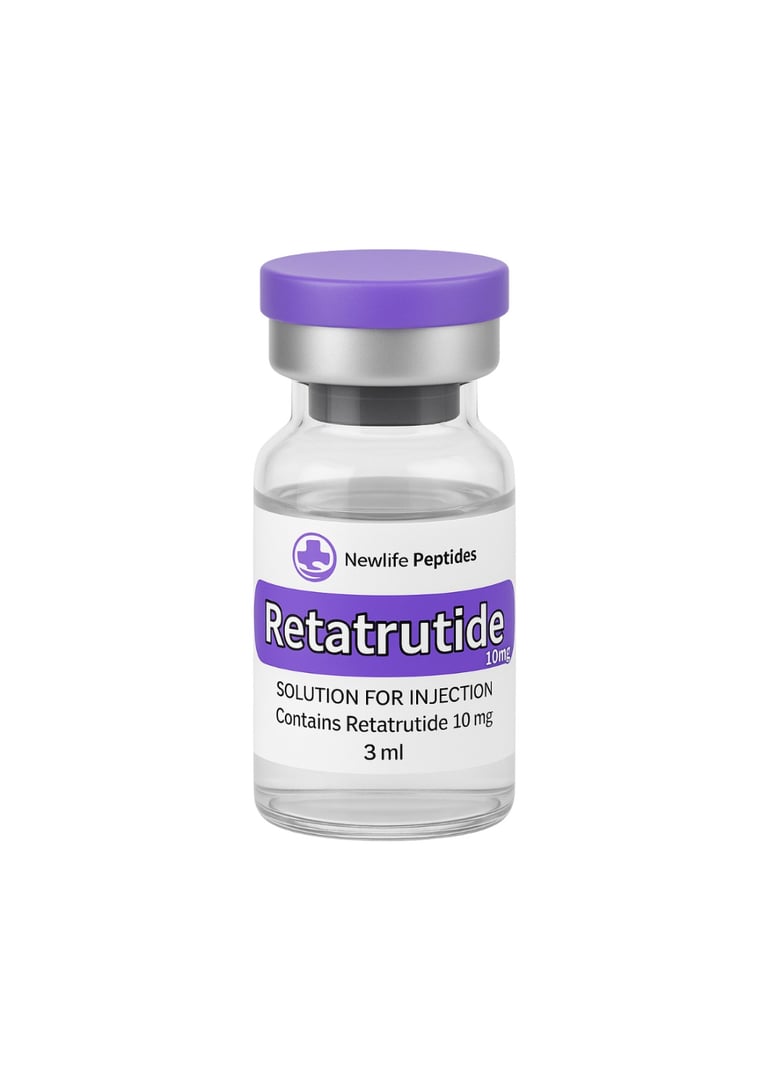
How Does Retatrutide Work?
Retatrutide is designed to mimic the activity of naturally occurring hormones involved in appetite control and metabolism. By activating multiple receptor pathways simultaneously, researchers believe it may influence several physiological processes at once.
Studies have investigated Retatrutide's potential effects on:
Appetite regulation
Energy expenditure
Glucose metabolism
Metabolic function
Body weight regulation
Hormonal signalling pathways
Insulin sensitivity
Its triple-receptor mechanism distinguishes Retatrutide from many other peptides currently being studied within the metabolic health field.
Areas of Scientific Interest
Weight Management Research
Retatrutide has become a prominent focus of obesity research due to its ability to target multiple biological pathways associated with appetite and energy balance.
Metabolic Health Studies
Researchers are investigating how Retatrutide may influence metabolic function, including glucose utilisation and energy regulation.
Hormonal Regulation Research
The peptide's interaction with GLP-1, GIP, and glucagon receptors provides valuable insight into the complex hormonal systems that help regulate body weight and metabolism.
Energy Balance Research
Studies continue to examine how Retatrutide may affect energy expenditure and the body's natural mechanisms for maintaining metabolic homeostasis.
Current Research Status
Retatrutide remains under clinical investigation and has demonstrated promising results in ongoing research studies focused on obesity and metabolic health. Scientists continue to evaluate its effectiveness, safety profile, and long-term outcomes through clinical trials.
As research progresses, Retatrutide is considered one of the most significant developments in the field of metabolic peptide science.
Important Information
Retatrutide is currently an investigational compound and has not received regulatory approval in many regions. It remains the subject of ongoing clinical research to better understand its safety, efficacy, and potential future applications.
Anyone interested in peptide science should recognise that Retatrutide is still being studied, and further research is required before definitive conclusions can be drawn regarding its long-term use and benefits.
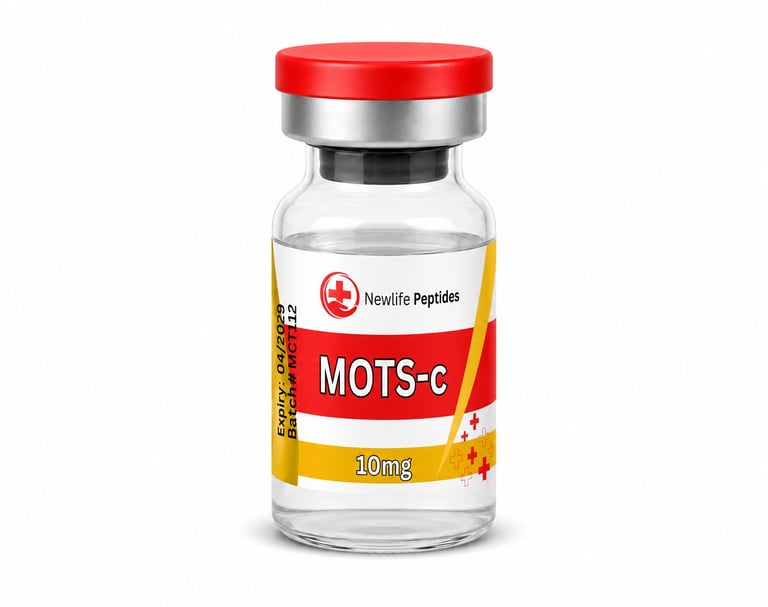
How Does MOTS-c Work?
Research suggests that MOTS-c acts as a metabolic regulator, helping cells adapt to changes in energy demand and cellular stress. Scientists believe it may influence several biological pathways involved in:
Energy production and utilisation
Glucose metabolism
Insulin sensitivity
Exercise adaptation
Cellular resilience and stress response
Mitochondrial function
By supporting the body's ability to efficiently use energy, MOTS-c is being investigated for its potential role in maintaining metabolic health and overall vitality.
Areas of Scientific Interest
Current research is exploring MOTS-c's potential involvement in:
Metabolic Health
Studies have examined MOTS-c's effects on glucose regulation and insulin sensitivity, making it a topic of interest in metabolic research.
Exercise Performance
Research suggests MOTS-c may support the body's natural adaptation to physical activity and endurance training by influencing energy metabolism.
Healthy Aging
As mitochondrial function naturally declines with age, researchers are investigating whether MOTS-c may play a role in promoting cellular health and longevity.
Cellular Stress Response
MOTS-c appears to help cells respond to various forms of metabolic stress, potentially supporting overall cellular resilience.
Important Information
MOTS-c remains an active area of scientific investigation. It is not approved as a treatment for any medical condition, and research is continuing to evaluate its safety, efficacy, and potential therapeutic applications.
For individuals interested in peptide science, MOTS-c represents one of the most exciting developments in mitochondrial and metabolic research, offering new insights into how the body regulates energy, performance, and healthy aging at the cellular level.
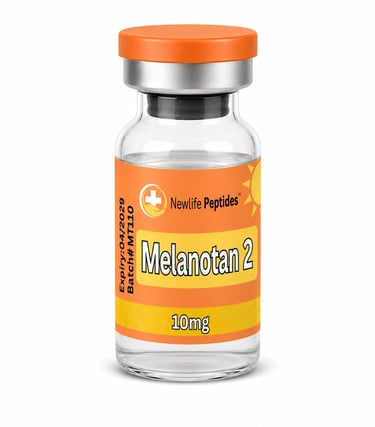
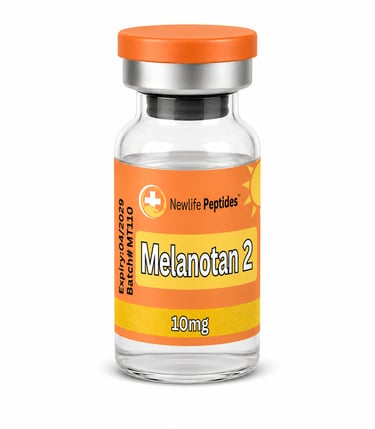
How Does Melanotan II Work?
Melanotan II is designed to mimic the activity of α-MSH, binding to melanocortin receptors that stimulate melanin production within the skin. Melanin is the natural pigment responsible for skin, hair, and eye colour and helps provide some protection against ultraviolet (UV) radiation.
Researchers have studied Melanotan II for its potential influence on:
Melanin production
Skin pigmentation pathways
UV response mechanisms
Melanocortin receptor activity
Hormonal signalling pathways
Areas of Scientific Interest
Pigmentation Research
Melanotan II is most commonly studied for its ability to stimulate melanin production. Researchers have investigated how it may affect skin pigmentation and the body's natural tanning response.
Dermatology Studies
Scientific research has explored Melanotan II's potential role in understanding pigmentation disorders and skin protection mechanisms.
Melanocortin Receptor Research
Melanotan II interacts with multiple melanocortin receptors found throughout the body, making it a valuable tool for studying receptor signalling and physiological regulation.
UV Protection Research
Researchers have investigated whether increased melanin production may influence the skin's response to ultraviolet exposure, though further studies are required to understand these relationships fully.
Important Information
Melanotan II is considered a research peptide and is not approved by major regulatory authorities for cosmetic tanning purposes. Research into its mechanisms, effects, and safety continues within the scientific community.
Anyone interested in peptide science should understand that ongoing research is essential to fully evaluate the potential applications and limitations of Melanotan II.
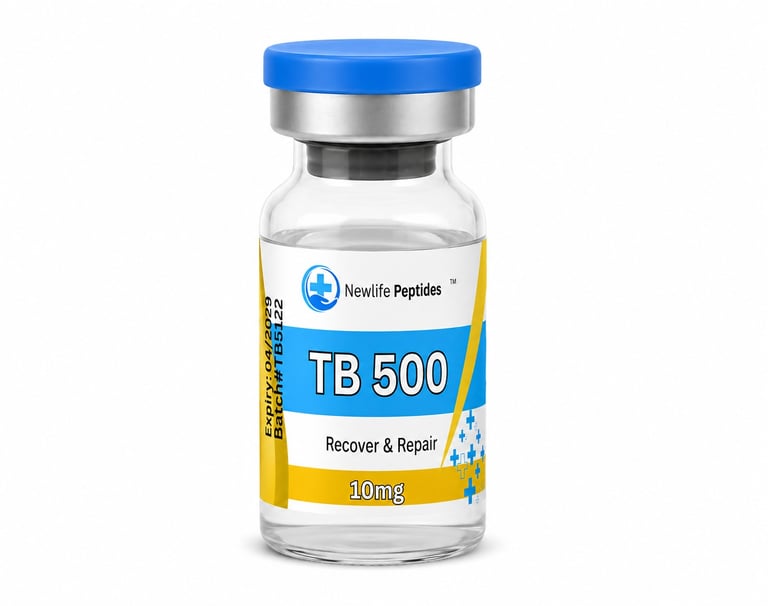
How Does TB-500 Work?
TB-500 is believed to mimic some of the biological activities of thymosin beta-4, a protein involved in cell movement and repair mechanisms. Scientific studies suggest that it may influence pathways associated with:
Cellular migration and communication
Tissue maintenance and regeneration
Blood vessel formation (angiogenesis)
Inflammatory response regulation
Muscle and connective tissue recovery
Cellular repair processes
Its ability to move throughout the body and interact with multiple tissue types has made TB-500 an important area of ongoing research.
Areas of Scientific Interest
Tissue Repair and Regeneration
TB-500 has been widely studied for its potential involvement in tissue regeneration processes. Researchers are investigating how it may influence cellular activity in muscles, tendons, ligaments, and other connective tissues.
Exercise and Recovery Research
Due to its relationship with repair pathways, TB-500 has become a topic of interest in sports science and recovery research. Studies are exploring its potential impact on recovery following physical stress and exercise.
Inflammation Research
Scientific investigations suggest that TB-500 may interact with biological pathways involved in inflammation regulation, leading to further research into its role in supporting normal healing processes.
Cardiovascular and Cellular Health
Researchers have also examined thymosin beta-4-derived peptides for their involvement in blood vessel formation and cellular maintenance, areas that continue to be actively studied.
understanding comes from experimental and animal-based research models.
Important Information
TB-500 is currently considered a research peptide and is not approved as a treatment for any medical condition. Ongoing scientific studies continue to explore its biological functions and potential therapeutic applications.
Individuals interested in peptide science often view TB-500 as one of the most extensively researched peptides in the fields of tissue recovery, cellular repair, and regenerative biology, making it a significant focus of modern peptide research.
How Does GHK-Cu Work?
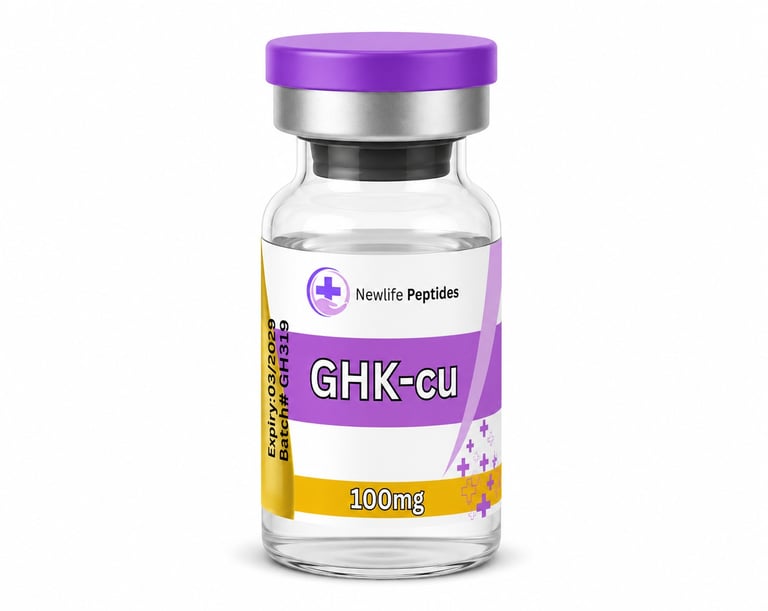
GHK-Cu functions as a signalling peptide, helping to regulate gene expression and cellular activity involved in tissue maintenance and repair. Research suggests it may influence multiple biological pathways associated with regeneration and cellular health.
Scientists have studied GHK-Cu for its potential involvement in:
Cellular regeneration
Collagen and elastin production
Tissue remodelling
Skin health and appearance
Antioxidant activity
Hair follicle biology
Wound healing processes
Inflammatory response regulation
Areas of Scientific Interest
Skin Health and Regeneration
GHK-Cu is widely researched for its potential role in supporting skin structure and appearance. Studies have examined its interaction with collagen, elastin, and other proteins involved in maintaining healthy skin.
Healthy Aging Research
Because natural GHK-Cu levels decrease over time, researchers are investigating its potential role in age-related cellular changes and tissue maintenance.
Hair and Scalp Research
Scientific studies have explored GHK-Cu's influence on hair follicle biology and scalp health, making it a notable subject within cosmetic and dermatological research.
Tissue Repair Studies
Researchers continue to investigate GHK-Cu's involvement in cellular communication pathways associated with tissue regeneration and wound-healing mechanisms.
Antioxidant and Cellular Protection Research
GHK-Cu has demonstrated antioxidant properties in laboratory studies, leading to ongoing research into its role in protecting cells from oxidative stress.
Current Research Status
GHK-Cu remains one of the most studied copper peptides in regenerative and cosmetic science. Research continues to explore its biological mechanisms, cellular effects, and potential applications across multiple areas of health and wellness.
Although findings have shown considerable promise, further clinical research is required to fully understand its long-term effects, optimal applications, and safety profile in humans.
Important Information
GHK-Cu is an active area of scientific research and is commonly used in cosmetic and skincare formulations. Research into its broader biological effects and potential therapeutic applications remains ongoing.
As interest in peptide science and regenerative health continues to grow, GHK-Cu stands out as one of the most promising naturally occurring peptides being studied for its role in cellular maintenance, skin health, and healthy aging.
How Does BPC-157 Work?
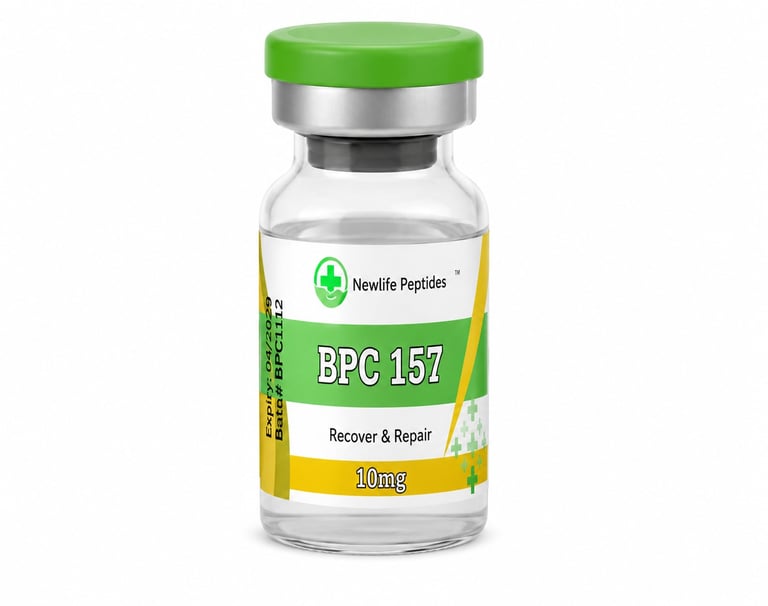
Although research is ongoing, studies suggest that BPC-157 may influence several pathways involved in cellular repair, tissue maintenance, and blood vessel formation. Scientists believe it may help regulate signalling processes that support the body's natural response to injury and physiological stress.
Research has explored BPC-157's potential involvement in:
Tissue repair and regeneration
Blood vessel formation (angiogenesis)
Cellular communication
Connective tissue health
Gastrointestinal integrity
Inflammatory response regulation
Muscle, tendon, and ligament recovery
Cellular protection mechanisms
Areas of Scientific Interest
Tissue Repair and Recovery
BPC-157 is extensively studied for its potential role in supporting the body's natural repair processes. Research has investigated its effects on muscles, tendons, ligaments, and other connective tissues.
Gastrointestinal Research
Originally derived from a gastric protein, BPC-157 has been studied for its interaction with the digestive system and its potential role in supporting gastrointestinal tissue integrity.
Connective Tissue Studies
Researchers continue to explore BPC-157's influence on cellular pathways involved in tendon, ligament, and joint tissue maintenance.
Blood Vessel Formation Research
Studies have examined BPC-157's potential relationship with angiogenesis, the process by which new blood vessels are formed, which plays an important role in tissue repair and recovery.
Cellular Protection Research
Scientific investigations have suggested that BPC-157 may influence cellular defence mechanisms and adaptive responses to physiological stress.
Important Information
BPC-157 is considered a research peptide and is not approved by major regulatory authorities as a treatment for any medical condition. Research into its mechanisms, safety, and potential uses remains ongoing.
As one of the most extensively studied peptides in regenerative science, BPC-157 continues to generate significant interest among researchers investigating tissue repair, recovery, and cellular health.